Safely Remove Passwords from Files, Devices and Accounts

A comprehensive, step-by-step instructions to regaining legitimate access. Learn native OS approaches, structural differences in protection, and how to reset access safely.

Editorial Team · Updated Jun 2026 · 12 min read
Secure data unlocking concept for legitimate password removal and account recovery
Quick Answer

To remove a password, you generally need to be the owner and have the original credential or recovery key. For files like Word documents, open the file, navigate to Info > Protect Document, and clear the password field. For devices and accounts, access the security or user account controls while logged in as an administrator. Without the original password, legitimate software recovery relies on selected administrative resets or verifiable account recovery tools.

Table of Contents

Security & Legality Notice: This guide offers approaches for recovering access to files, devices, and accounts that you own. Do not attempt to bypass security on systems, networks, or documents where you do not have explicit administrative authorization.

The Scope of Password Removal Explained

The phrase "ways to remove passwords — files, devices & accounts" covers three vastly various technical realities. While removing an account from a device involves cloud synchronization and hardware authorization, Removing a password from a local Word document involves altering file metadata.
Password lock illustration showing protected file access

When you encounter a lock, understanding exactly what is doing the locking dictates your path forward. Below, we break down the exact native steps to remove passwords based on your selected situation.

Permissions Password vs Open Password — Explained
For documents, an Open Password encrypts the file; without it, the file cannot be read. A Permissions Password simply tells compatible software (like Microsoft Office) to restrict editing or printing. Permissions passwords are often easily bypassed if the software ignores the instruction, whereas Open passwords require legitimate decryption.

Find Your Method: What are you trying to unlock?

Select your situation to jump to the right section.

Result Title

Result description.

Jump to instructions →

Remove Password — Computer & Devices

Computer lock screen security for Windows password removal steps

Remove password from user account Windows 10 & 11

Difficulty: straightforward (Local accounts only)

If you are tired of logging in every time your PC wakes up, you can remove the password—provided you are using a Local Account, not a Microsoft Account.

  1. Press Windows Key + I to open controls.
  2. Go to Accounts > Sign-in choices.
  3. Click on Password, then click Change.
  4. Enter your current password and click Next.
  5. When prompted for a new password, leave all fields blank.
  6. Click Next, then Finish.
Remove password Windows 11 Microsoft account: You cannot leave a Microsoft Account password blank. If your PC is tied to a Microsoft email, you must switch to a Local Account first (controls > Accounts > Your info > Sign in with a local account instead) before you can remove the login requirement.

Ways to remove USB block from PC

If you previously used software to block USB ports in Windows 10, or if an administrator deployed a registry edit, you must reverse it via the Registry Editor or the selected endpoint security software used (like USB Secure or USB Block). For registry blocks: navigate to HKEY_LOCAL_MACHINE\SYSTEM\CurrentControlSet\Services\USBSTOR and change the "Start" value from 4 back to 3.

Blocked USB port security concept for reversing USB restrictions

Remove Password — Apps & Accounts

Ways to Remove Your Account from Other Devices
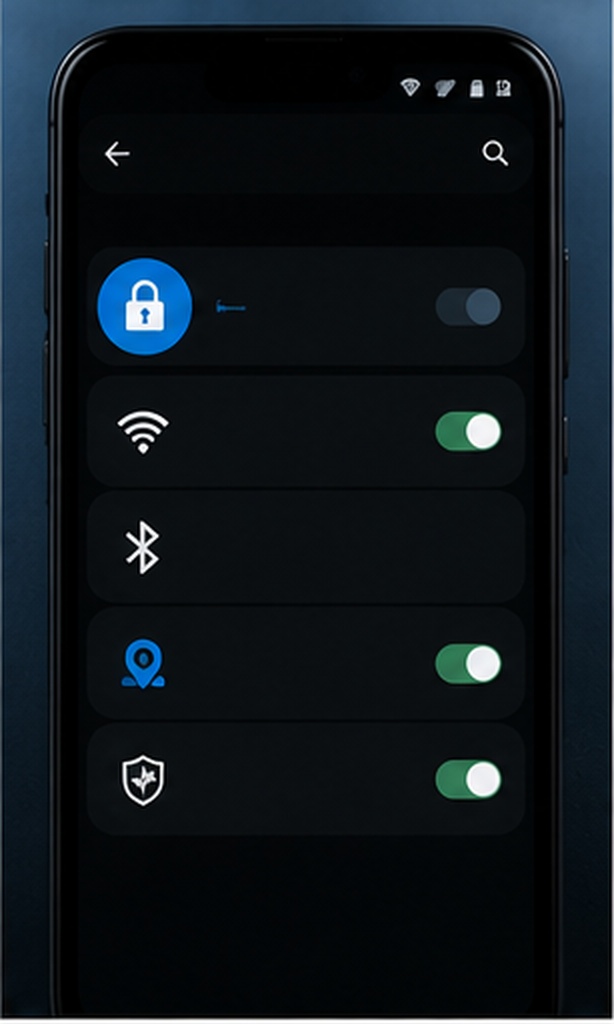
Android security controls for removing account access from devices
Difficulty: Moderate (Requires active login)

If you forgot to log out of a public computer or a sold phone, you don't need physical access to remove your account. You can force a remote logout.

How Do I Remove a Device from My Samsung Account?

  1. Go to the Samsung Account website on any browser and log in.
  2. Navigate to Devices.
  3. Locate the device you no longer have access to.
  4. Click on the device and select Remove or Sign out. This severs the connection, removing the account from that device.

Ways to Permanently Remove Facebook Account from Device

  1. Open Facebook on your current device or browser.
  2. Go to controls & Privacy > controls > Security and Login.
  3. Look for the section titled Where You're Logged In.
  4. Click "See More" to view all devices. Find the device you want to remove, click the three vertical dots, and select Log Out.
The Better Way to Protect Your Files

native OS passwords and document-level locks are easily forgotten and tedious to manage one by one. For serious document security, we recommend Folder Lock.

Folder Lock 10 function banner for file protection and encrypted lockers
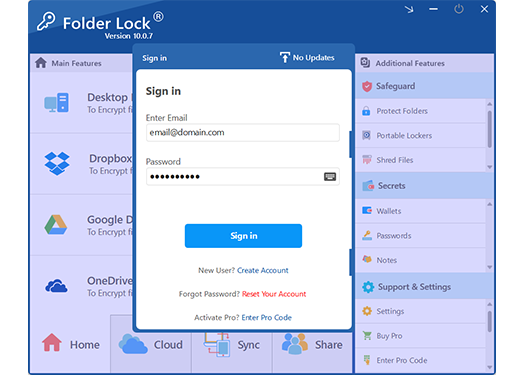
Folder Lock 10 primary screen showing encrypted lockers dashboard[ Dashboard Interface Mockup: AES-256 Encryption active, showing protected folders ]

Instead of asking "how to password protect multiple files at once," Folder Lock lets you drag and drop hundreds of files into a single encrypted "Locker." You remember one master password, and everything inside is secured with AES-256 bit encryption.

Reasons Folder Lock Solves Document Security

Desktop locker interface for one-password file protection

One Password for Everything

Instead of managing 50 various passwords for 50 various Word documents, create one secure Locker. Open the locker, edit any file inside natively, and close it.

Military grade AES 256 encryption visual for secure files

Military-Grade Encryption

Document permissions can be stripped. Folder Lock uses AES-256 bit encryption on the fly, meaning the raw data is mathematically scrambled until unlocked.

Secure cloud lockers for cross platform file synchronization

Cross-Platform Portability

Convert your Locker to a portable executable to take on a USB drive. You can also sync your secure lockers seamlessly across Windows, macOS, Android, and iOS using current cloud accounts like Dropbox or Google Drive.

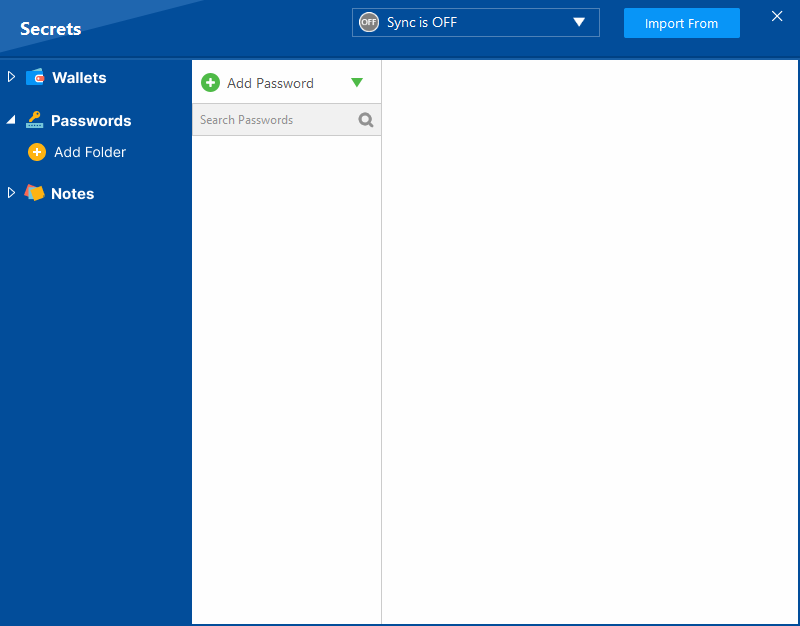
Folder Lock password secrets screen for advanced privacy tools

Advanced Privacy Tools

Beyond standard lockers, the software includes a secure wallet for sensitive credentials, digital file shredding to permanently erase traces of old documents, and even access by unauthorized users monitoring on mobile devices.

Protection Methods Compared

Windows encryption software comparison visual for protection approaches

How does standard document protection stack up against dedicated software or archive encryption?

approach Security Level Batch Protection Best For
MS Word Native Password Moderate (Open) / Low (Permissions) No (One by one) Single files sent via email
7-Zip Password Protect High (AES-256) Yes (Inside archive) Compressing files for cold storage
Windows Native Hidden Zero (Easily bypassed) Yes Keeping desktop clean
Folder Lock (Recommended) Maximum (AES-256 On-the-fly) Yes (Drag and drop) Active daily use and secure backup

Ways to password protect multiple files at once

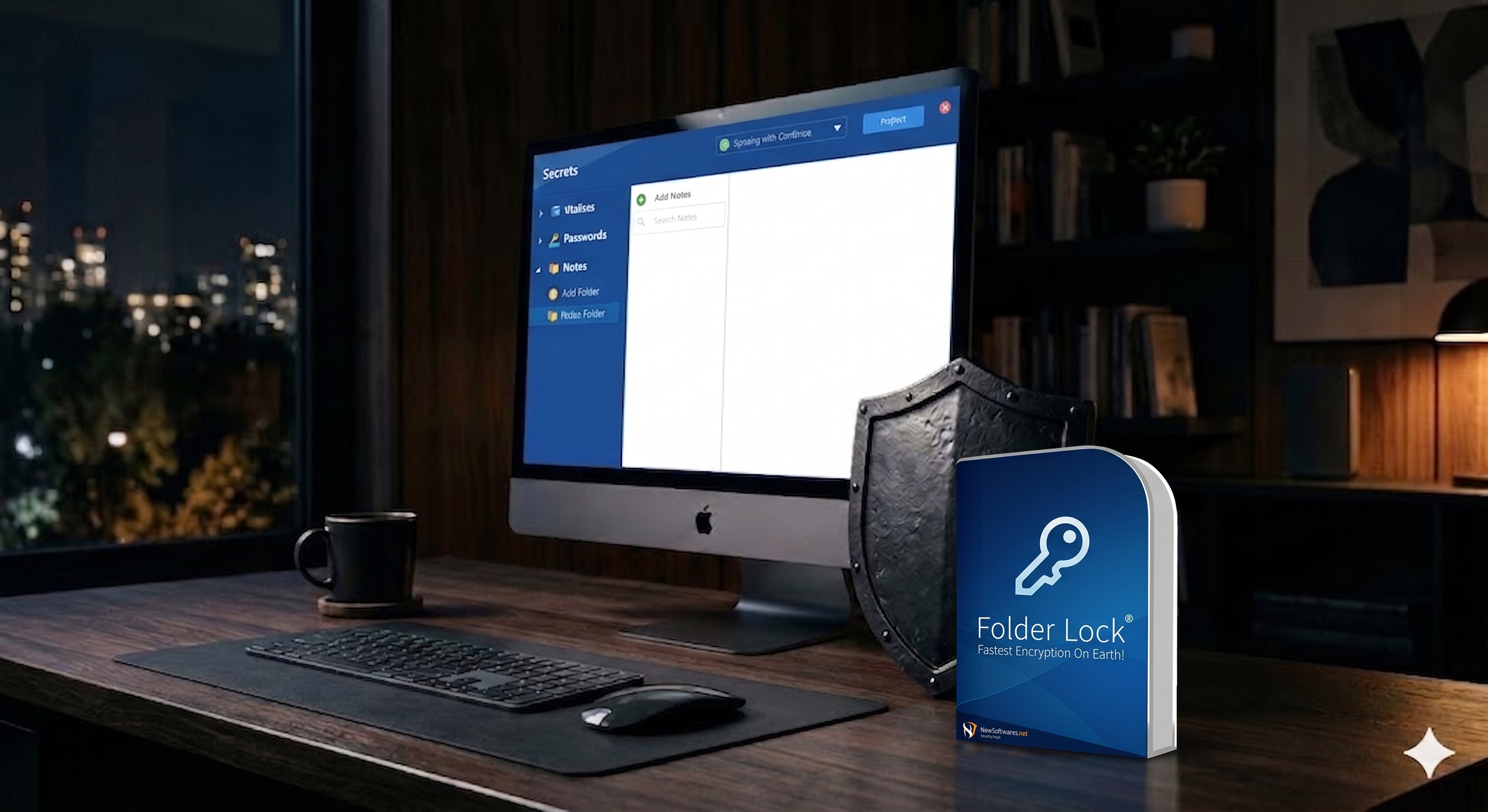
Folder Lock 10 product boxshot for protecting multiple files at once

Using Folder Lock eliminates the need to apply passwords to individual files.

  1. Create a Locker: Open Folder Lock and select "Encrypt Files." Choose "Create Locker."
  2. Set Password: Choose a strong master password. This is the only password you will need to remember.
  3. Allocate Space: Determine how large the Locker needs to be (e.g., 5GB for office files).
  4. Drag and Drop: Open the Locker (it mounts as a virtual drive in Windows). Drag hundreds of unprotected Word documents into it.
  5. Close to Secure: Close the Locker. All files inside are instantly encrypted and hidden from the OS.

Folder Lock's Limitations: Free vs. Paid Explained

since we prioritize honest recommendations, you should understand what the free version actually covers before relying on it for extensive document archives.

The Free Version

  • Storage Cap: Limited to a maximum 1 GB encrypted locker.
  • Device Syncing: Synchronize your secure files across a maximum of 2 devices.
  • Best for: Testing the interface, securing a small batch of text documents, or keeping a handful of personal photos private without paying.

The Pro Version ($39.95)

  • Storage Cap: Completely unlimited locker capacity (dictated only by your hard drive space).
  • Device Syncing: Connect up to 5 devices simultaneously across the Apple, Windows, and Android ecosystems.
  • Advanced Capabilities: Unlocks the choice to create self-decrypting portable USB lockers and permanently shred deleted files.
A Warning on "Lite" Software: Avoid older "Lite" versions of security tools if you need legitimate cryptographic protection. For instance, legacy tools like Folder Lock Lite only hide folders from standard view without applying mathematical AES-256 encryption, leaving data vulnerable to basic workarounds.

Problem Solving Common Lock Errors

Couldn't be opened for import. if the file is password protected, try removing the password" Google Sheets

If you are trying to import an Excel file into Google Sheets and receive this error, Google cannot decrypt the file. You must open the file in desktop Excel, remove the password (File > Info > Protect Workbook > clear password), save it, and then upload the unprotected version to Google Drive.

Ways to remove password from rar file without any software

It is not possible to remove a password from a RAR file without software. RAR files are mathematically encrypted. You must have software capable of handling the extraction (like WinRAR or 7-Zip) and you must know the password. Any website claiming to "unlock RARs online without software" is likely phishing for your files or credentials.

7zip not password protecting

If you created a 7-Zip archive but can still see the file names inside without a password, you forgot to check "Encrypt file names" in the creation menu. To fix this: extract the files, create a new archive, enter your password, and ensure the Encrypt file names box is ticked.

Document Password Strength Tester

Test the strength of the password you plan to use for your files. (All calculation happens in your browser; nothing is saved).

Enter a password to test.

"I used to put passwords on every single Word doc. Moving to a centralized Locker saved me hours and stopped me from getting locked out of my own work."
— Financial Analyst
"Finally figured out ways to remove my account from my old tablet remotely. The guided for Samsung and Google was exactly what I needed."
— IT Manager
"Folder Lock replaced my messy system of 7-zip passwords. Much faster to just open the virtual drive, edit my files, and close it."
— Freelance Writer
"I used to put passwords on every single Word doc. Moving to a centralized Locker saved me hours and stopped me from getting locked out of my own work."
— Financial Analyst

Common Questions and Answers

The difference between an open password and a permissions password? Explained

An open password encrypts the actual contents of the document. Without it, the file is unreadable garbage data. A permissions password is merely a metadata flag that tells the software "please don't let the user print or edit this." Permissions passwords do not encrypt the data and are easily bypassed by external viewers.

Can a password-protected document be hacked?

If it uses weak encryption (like old MS Office 97-2003 formats), yes, easily. If it uses modern AES-256 encryption (like Folder Lock or Office 2016+), it cannot be mathematically "hacked." It can only be brute-forced by guessing the password. A strong, long password makes brute-forcing functionally impossible.

How do I remove password protection from a document I own if I forgot the password?

If it is strongly encrypted (AES-256), you cannot remove it without the password. There is no legitimate "backdoor." You must rely on previous backups, or search your password manager. Never trust online services claiming they can instantly unlock AES-encrypted files.

Can Google open a password-protected Office file?

No. Google Drive and Google Sheets cannot decrypt files natively in the cloud. You will receive an error saying the file "couldn't be opened for import." You must remove the password locally on your desktop first.

Can I create a password protected folder in Windows 11 without software?

Windows 11 Pro has EFS (Encrypting File System) and BitLocker, which tie encryption to your Windows user account. That said, you cannot put a straightforward password prompt on a standard folder natively in Windows Home or Pro. For a straightforward "double click, enter password, open folder" experience, you need external software like Folder Lock.

Key Takeaways

Removing passwords from individual files or accounts requires understanding the native platform's controls. But if you are tired of juggling individual document passwords, moving to a centralized encrypted vault is the smarter choice. We recommend Folder Lock for its seamless AES-256 encryption and ease of use.